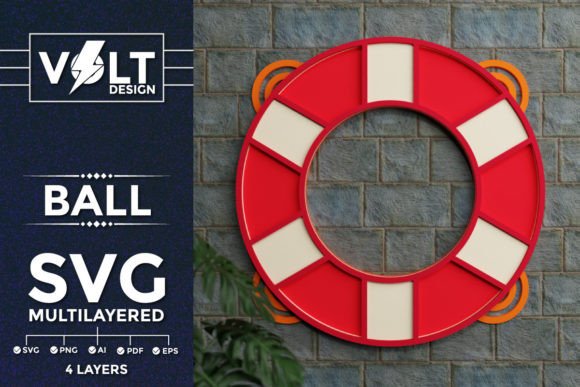
Mastering Dimensional Paper Art with the Summer Ball 3D Svg Multilayered Cut File
The evolution of digital crafting has transformed how creators approach paper art, moving beyond simple two-dimensional silhouettes into the realm of intricate, shadow-box style masterpieces. At the forefront of this creative shift is the ability to utilize complex, pre-designed layers that align perfectly to create depth and visual interest. One such design that captures the essence of seasonal vibrancy and technical precision is the Summer Ball 3D Svg Multilayered Cut File. This digital asset serves not merely as a template but as a comprehensive toolkit for artists, hobbyists, and small business owners looking to produce high-quality, layered decor.
Understanding the value of this specific design requires a look at both its aesthetic appeal and its functional versatility. The summer ball motif evokes feelings of warmth, celebration, and outdoor leisure, making it an ideal subject for home decoration, event styling, or commercial product lines. By leveraging a multilayered cut file, crafters can achieve a professional finish that would otherwise require hours of manual drafting and precise measurement.
The Technical Advantage of Multilayered SVG Designs
When working with cutting machines such as Cricut, Silhouette, or Brother ScanNCut, the quality of the source file dictates the ease of the project. A standard SVG might provide a single outline, but a multilayered file breaks down a complex image into distinct, manageable components. The Summer Ball 3D Svg Multilayered Cut File is engineered to separate every shadow, highlight, and structural element into its own layer. This separation is crucial for creating the 3D effect, as it allows the user to cut each piece from different colored cardstocks or materials and stack them systematically.
The inclusion of multiple file formats ensures compatibility across a wide range of software ecosystems. Upon purchase, users receive an Ai file for Adobe Illustrator enthusiasts who prefer vector editing in a professional environment. For those using CorelDRAW or other vector-based programs, the EPS file provides universal scalability without loss of quality. The core of the package, the SVG file, is optimized for web-based cutting software like Cricut Design Space and Silhouette Studio, ensuring that paths are clean and nodes are minimized to prevent cutting errors. Additionally, the PNG file offers a high-resolution raster image for sublimation printing or digital mockups, while the PDF file serves as a reliable reference for manual assembly instructions or print-and-cut methods.
Workflow Integration and Assembly Precision
Successfully transforming a digital download into a physical object requires a disciplined workflow. The process begins with acquiring the digital assets. Since this is a digital download, no physical item will be shipped to you. This immediate access allows for spontaneous creativity; you can begin your project minutes after purchase. The first step involves downloading the compressed zip archive to your computer. It is essential to extract these files before attempting to upload them to any cutting software, as most platforms cannot read contents directly from a zipped folder.
Once extracted, the next phase is uploading the appropriate file type to your preferred design software. For most hobbyists, the SVG is the go-to choice due to its plug-and-play nature. After uploading, the software will display the various layers of the summer ball. It is critical to verify that all layers are present and correctly aligned. The design is structured so that each layer corresponds to a specific depth in the final piece. Users must use their cutting machine to cut each layer, ideally from cardstock of varying weights or colors to enhance the visual contrast.
The assembly phase is where the magic happens. The layers must be stacked in the correct order as indicated by the serial numbering or color coding provided in the design. Using foam adhesive squares or liquid glue with precision tips, crafters build the structure from the background forward. This methodical stacking creates shadows between the layers, giving the flat paper a tangible three-dimensional presence. The result is a textured, dynamic piece of art that changes appearance depending on the viewing angle and lighting conditions.
Commercial Viability and Creative Applications
For entrepreneurs and small business owners, the Summer Ball 3D Svg Multilayered Cut File represents more than just a personal project; it is a potential revenue stream. The license terms typically allow users to sell the physical project they create. This means that crafters can produce finished wall art, greeting cards, or decorative ornaments and sell them at local markets, online storefronts, or craft fairs. The key distinction here is that you are selling the physical labor and materials, not the digital file itself, which respects the intellectual property of the original designer.
The versatility of this design extends to various applications. As a decoration, it serves as a striking focal point in living rooms, nurseries, or summer-themed party venues. Its vibrant aesthetic makes it an excellent gift option for housewarmings, birthdays, or seasonal celebrations. Educators can also utilize this file to teach students about geometry, layering, and spatial reasoning. By engaging with the multilayered aspect, learners gain hands-on experience with how two-dimensional shapes combine to form three-dimensional structures.
Furthermore, the design can be adapted for different scales. While often used for standard 12x12 inch shadow boxes, the vector nature of the AI and EPS files allows for infinite scaling. A larger version could serve as a backdrop for photo booths at summer weddings, while a smaller version might function as an intricate embellishment on scrapbook pages or handmade journals. This adaptability ensures that the file remains useful across multiple projects and skill levels.
Material Selection and Enhancing Depth
To maximize the impact of the Summer Ball 3D Svg Multilayered Cut File, material selection plays a pivotal role. Standard 65lb cardstock is a common choice for its balance of rigidity and ease of cutting. However, experimenting with textured papers, metallic finishes, or even thin wood veneers can elevate the final product. Lighter colors tend to recede visually, while darker colors advance, so strategic color placement can enhance the illusion of depth without relying solely on physical spacing.
Lighting is another often-overlooked element. Because the design relies on layering, it interacts dynamically with light sources. Placing the finished artwork in a well-lit area or incorporating subtle LED backlighting can cast dramatic shadows, emphasizing the contours of the summer ball. This interplay between light and shadow transforms the piece from a static image into an evolving visual experience throughout the day.
Considerations for Digital Crafters
While the benefits of using pre-made multilayered files are significant, users should remain mindful of best practices. Always ensure your cutting machine blades are sharp to handle the intricate details inherent in 3D designs. Dull blades can tear delicate bridges between layers, compromising the structural integrity of the piece. Additionally, when selling physical items, clearly communicate the care instructions to buyers, as paper art can be sensitive to humidity and direct sunlight over extended periods.
The Summer Ball 3D Svg Multilayered Cut File exemplifies the synergy between digital precision and analog craftsmanship. By providing a robust set of files including AI, EPS, SVG, PNG, and PDF, the designer empowers users to engage with the project in a way that suits their specific tools and skills. Whether you are a seasoned professional looking to expand your product line or a novice eager to explore the depths of paper crafting, this resource offers a structured pathway to creating stunning, dimensional art. The ability to download, extract, upload, cut, and assemble provides a satisfying loop of creation that results in a tangible, beautiful object worthy of display or gifting.