Unlocking Creativity: A Comprehensive Guide to Cactus Wall Crafts and Laser Cut Decor Files
In the evolving landscape of home decoration and digital crafting, few trends have captured the imagination quite like botanical motifs. Among these, the cactus stands out as a symbol of resilience, modern aesthetics, and low-maintenance beauty. For designers, hobbyists, and entrepreneurs, Cactus Wall Crafts Decor Laser Cut designs represent more than just a visual trend; they are a versatile toolkit for creativity. Whether you are looking to create stunning wall art for your living room or launching a print-on-demand business, understanding how to utilize high-quality digital assets is essential.
This article explores the significance of laser-cut cactus decor, breaks down the technical file formats you will encounter, and provides practical advice on how to maximize the potential of these digital resources in your creative projects.
The Rise of Botanical Laser Cut Art
Laser cutting technology has revolutionized the way we approach physical design. By using a focused laser beam to cut or engrave materials, creators can achieve intricate details that would be impossible or prohibitively time-consuming by hand. When combined with the popular cactus motif, the result is a striking blend of organic shape and geometric precision.
Why choose cactus decor? The cactus is universally recognized. Its silhouette is distinct, making it ideal for shadow play in wall hangings or bold statements in graphic prints. Furthermore, the "desert chic" aesthetic fits seamlessly into various interior design styles, from mid-century modern to bohemian and minimalist. By utilizing pre-designed Cactus Wall Crafts Decor Laser Cut files, you bypass the steep learning curve of vector illustration, allowing you to focus immediately on production and customization.
Understanding the Digital Toolkit: File Formats Explained
When you purchase a digital design package, such as the one described in our reference material, you are typically provided with a compressed ZIP file containing multiple formats. For beginners, this array of extensions can be confusing. However, each format serves a specific purpose in the workflow of digital fabrication and printing.
- SVG (Scalable Vector Graphics): This is the gold standard for laser cutting and web graphics. Because it is vector-based, it can be scaled to any size without losing quality. Most laser cutting software, such as LightBurn or Glowforge apps, prefers SVG files for importing cut paths.
- EPS (Encapsulated PostScript): Similar to SVG, this is a vector format widely used in professional graphic design software like Adobe Illustrator. It is ideal if you plan to modify the design significantly before sending it to a cutter or printer.
- DXF (Drawing Exchange Format): Originally developed for AutoCAD, DXF files are crucial for users working with older or industrial-grade laser cutters and CNC machines. They ensure precise coordinate data is maintained.
- PNG (Portable Network Graphics): Unlike the vector formats above, PNG is a raster image. It is perfect for digital mockups, sublimation printing, or use in graphic design projects where you need a transparent background. It is not suitable for laser cutting paths but is excellent for visual representation.
- PDF (Portable Document Format): Often included for easy viewing and printing on standard home printers. It is useful for creating paper templates or greeting cards without needing specialized software.
It is important to note that these files are often compressed into a single ZIP File. To access them, you must extract the contents using tools like WinZip, WinRAR, or the built-in extraction feature in your operating system by double-clicking the archive. Failure to extract the files may result in errors when trying to open them directly from the compressed folder.
Practical Applications in Modern Creativity
The versatility of a 100 Customized Layer design in CMYK color mode opens doors to numerous applications. CMYK (Cyan, Magenta, Yellow, Key/Black) is the standard color model for printing, ensuring that the colors you see on screen closely match the final printed product. Here is how you can integrate these cactus designs into various aspects of daily life and business.
Home Decor and Personalization
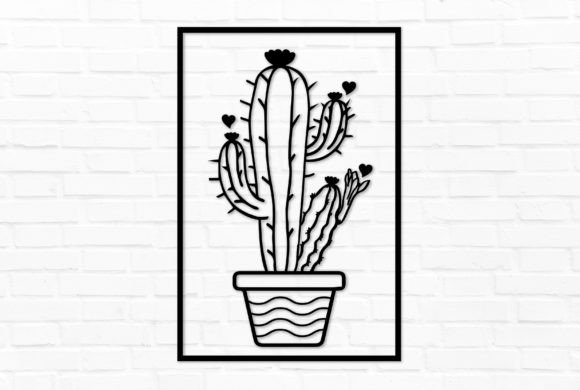
One of the most popular uses for laser cut files is creating custom wall art. By cutting the cactus design from wood, acrylic, or metal, you can create layered 3D effects. The "100 Customized Layers" mentioned in high-quality packs allow for complex depth, where different shades of material can be stacked to create shadows and dimension. This transforms a flat design into a tactile piece of art that serves as a focal point in any room.
Beyond walls, these designs can be adapted for:
- Greeting Cards: Use the PDF or SVG files to cut intricate paper layers for handmade birthday or holiday cards.
- Scrapbooking: The PNG files can be printed on sticker paper or cardstock to add thematic elements to memory books.
- Furniture Accents: Larger scale cuts can be used as decorative panels for cabinet doors or room dividers.
Business and Print-on-Demand Opportunities
For entrepreneurs, these digital assets are a gateway to passive income. The print-on-demand industry relies heavily on unique, high-resolution designs. With the provided PNG and EPS files, you can easily place cactus graphics on t-shirts, mugs, tote bags, and posters. Because the files are easy to modify and change color, you can create entire collections based on seasonal trends—such as pastel cacti for spring or dark, moody tones for autumn—without redesigning from scratch.
Additionally, heat transfer printing allows crafters to apply these designs to fabric. Whether you are customizing a denim jacket or creating branded merchandise for a small business, the clarity of the vector lines ensures crisp edges and professional results.
Common Misunderstandings and Best Practices
While digital files offer convenience, there are common pitfalls that beginners should avoid. One major misconception is that all files work interchangeably across all machines. As noted earlier, a PNG cannot drive a laser cutter, and an SVG might require cleanup before being used in certain CAD programs. Always check the compatibility of your hardware with the specific file type provided.
Another area of confusion involves color modes. While the design is optimized for CMYK printing, screens display in RGB. Colors may appear slightly different on your monitor compared to the final print. It is advisable to order a test print or cut a small sample piece to verify color accuracy and material behavior before committing to a large production run.
Furthermore, while the files are "easy to modify," doing so requires basic knowledge of vector editing software. If you are new to tools like Inkscape (free) or Adobe Illustrator, take time to learn how to manipulate nodes and paths. This skill will empower you to truly customize the 100 layers, perhaps by removing certain elements to simplify the cut or adding text to personalize the piece.
Conclusion: Embracing the Fusion of Tech and Nature
The availability of high-quality Cactus Wall Crafts Decor Laser Cut files represents a democratization of design. It allows individuals without advanced artistic training to produce professional-grade decor and products. By understanding the technical requirements—such as extracting ZIP files, choosing the right format (SVG, EPS, DXF), and respecting color modes—you can unlock the full potential of these digital assets.
Whether you are decorating your home, creating heartfelt gifts, or building a creative business, these tools provide the foundation for innovation. The cactus, with its enduring appeal and structural simplicity, serves as the perfect canvas for exploring the possibilities of modern laser cutting and digital printing. Start experimenting today, and watch your digital files transform into tangible works of art.