Designing with Precision: A Guide to the Cancer DreamCatcher Laser Cut File
Creating personalized home decor or meaningful gifts often requires a blend of artistic vision and technical precision. For crafters, small business owners, and DIY enthusiasts, digital design files serve as the blueprint for bringing these ideas to life. Among the myriad of options available, the Cancer DreamCatcher Laser Cut stands out as a specialized resource that merges astrological symbolism with traditional protective motifs. This specific design approach offers a unique way to celebrate the Cancer zodiac sign while utilizing modern fabrication techniques.
When evaluating digital assets for laser cutting, it is essential to look beyond the aesthetic appeal and consider the technical robustness of the file. A high-quality Dream Catcher SVG or vector file must balance intricate detail with structural integrity. This article explores the practical aspects of using a Cancer-themed dreamcatcher design, comparing material choices, discussing scalability constraints, and helping you determine if this specific style aligns with your project goals.
Understanding the Design Distinction
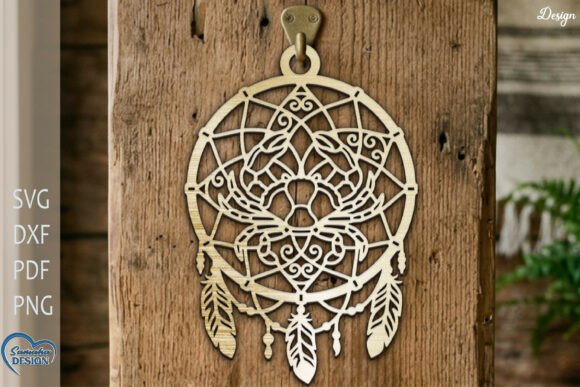
The concept of a dreamcatcher is rooted in Indigenous cultures, traditionally used to protect sleepers from bad dreams. In contemporary crafting, this motif has evolved into a popular decorative element. The Cancer DreamCatcher Laser Cut distinguishes itself by integrating symbols associated with the Cancer zodiac sign—such as the crab, the moon, or water elements—into the web or frame of the dreamcatcher. This fusion creates a piece that is not just decorative but personally significant to those born under this sign.
Unlike generic dreamcatcher templates, a zodiac-specific design requires careful attention to symmetry and icon placement. The distinctiveness lies in how the astrological elements are woven into the lattice work. For users comparing this against standard geometric patterns, the Cancer variant offers a narrative layer. It transforms a simple wall hanging into a personalized talisman. However, this added complexity means the underlying Dream Catcher Laser Cut File must be meticulously optimized to ensure that the additional details do not compromise the cut quality.
Material Selection and Compatibility
One of the primary advantages of purchasing a comprehensive digital package is the versatility it offers across different mediums. The recommended materials for this design include Plywood, MDF, Acrylic, Plexiglas, Metal, Cardboard, and Paper. Each material brings different aesthetic and structural properties to the final product, and understanding these tradeoffs is crucial for success.
- Wood-Based Materials (Plywood and MDF): These are ideal for rustic or natural-looking decor. Plywood offers strength and a visible grain pattern, which can enhance the organic feel of the dreamcatcher. MDF provides a smoother surface, perfect for painting. However, wood requires careful power settings to avoid charring, especially around the thin lines of the web.
- Plastics (Acrylic and Plexiglas): For a modern, sleek appearance, acrylic is an excellent choice. It allows light to pass through, creating interesting shadow effects. The Cancer DreamCatcher Laser Cut design works well here because the clean edges of laser-cut acrylic highlight the precision of the vector paths. Note that masking tape is often required to prevent scratches during handling.
- Paper and Cardboard: These materials are cost-effective and suitable for prototyping or lightweight decorations like party decor. While they lack the durability of wood or metal, they allow for rapid iteration of the design. Cardboard can be layered to create depth, adding a three-dimensional aspect to the flat design.
- Metal: Cutting metal requires industrial-grade lasers or plasma cutters. If you have access to such equipment, metal offers unparalleled durability and a sophisticated finish. The design’s thin elements must be carefully evaluated, as metal behaves differently under heat stress compared to organic materials.
Choosing the right material depends on the intended use. A wall hanging for a nursery might benefit from the warmth of plywood, while a keychain or jewelry piece would be better suited for acrylic or metal. The flexibility of the Dream Catcher SVG format ensures that the same design can be adapted across these varied substrates without losing fidelity.
Scalability and Structural Integrity
A critical consideration when working with laser cut files is scalability. The ability to increase the size of a design is generally straightforward and often encouraged for larger wall art pieces. However, reducing the design presents significant challenges. The prompt explicitly advises: "When reducing the design, consider thin elements."
Laser beams have a kerf width—the amount of material removed during the cut. If the design elements are too thin relative to the laser’s focal point, the material may burn away completely, causing fragile parts to break off or disappear. In a complex design like the Cancer DreamCatcher Laser Cut, the webbing and astrological symbols may contain fine lines. If you scale the image down below a certain threshold, these lines may become narrower than the laser beam can accurately trace.
To mitigate this risk, always perform a test cut on a scrap piece of your chosen material before committing to the final project. If you need a smaller version, consider simplifying the design by removing some of the finer internal details or increasing the stroke width in your vector editing software. This proactive approach prevents wasted material and frustration.
File Formats and Technical Usability
The utility of a digital design is heavily dependent on the file formats provided. This ZIP archive includes files in SVG, PNG, and DXF formats, catering to a wide range of software and hardware setups.
- SVG (Scalable Vector Graphics): This is the preferred format for most modern laser cutting software and Cricut/Silhouette machines. SVGs are resolution-independent, meaning they can be scaled up or down without losing quality. They also preserve layer information, allowing users to assign different cut scores or engrave settings to specific parts of the Dream Catcher Laser Cut File.
- DXF (Drawing Exchange Format): Widely used in CAD programs and older laser cutting systems, DXF files ensure compatibility with industrial machinery. If you are sending your design to a professional service bureau, they may request this format for its precision and widespread acceptance in manufacturing environments.
- PNG (Portable Network Graphics): While not suitable for direct laser cutting due to its raster nature, the PNG file is invaluable for previewing the design, creating marketing images, or using as a reference for manual assembly. It helps visualize how the final product will look before any material is cut.
Having access to all three formats eliminates the need for conversion tools, which can sometimes introduce errors or distort paths. This completeness adds value to the package, ensuring that whether you are a hobbyist using a desktop cutter or a professional using industrial equipment, the file is ready to use.
Evaluating Fit: Is This Design Right for You?
Deciding whether to use the Cancer DreamCatcher Laser Cut involves assessing your skill level, equipment, and project intent. This design is particularly well-suited for individuals looking to create personalized gifts for friends or family members born under the Cancer sign. It offers a thoughtful touch that generic decor lacks.
However, if you are a beginner with limited experience in weeding small parts or managing delicate cuts, you might find the intricate webbing challenging. In such cases, starting with a simpler, less detailed dreamcatcher design might be a prudent alternative. Once you are comfortable with the material behavior and laser settings, you can progress to the more complex Cancer-themed variant.
Additionally, consider the end-use environment. If the item will be handled frequently or exposed to moisture, materials like acrylic or sealed wood are preferable over untreated cardboard or paper. The design itself is versatile, but its longevity depends on the material pairing.
For those who require customization beyond what is provided, the vector nature of the SVG and DXF files allows for modification. You can add names, dates, or other symbolic elements using vector editing software. This adaptability makes the Dream Catcher SVG a robust foundation for creative expansion rather than a rigid template.
Final Considerations for Successful Fabrication
Successful laser cutting is a partnership between good design and proper machine calibration. The Cancer DreamCatcher Laser Cut provides a strong design foundation, but the outcome relies on your execution. Always verify your machine’s focus, air assist, and speed settings relative to the material thickness. Remember that while increasing size is safe, decreasing size requires vigilance regarding minimum line widths.
If you encounter issues with specific cuts or have questions about optimizing the file for a unique material, reaching out to the designer is a viable option. The invitation to "feel free contact me, if you have any questions" suggests a support channel that can help troubleshoot specific technical hurdles. Leveraging this support can save time and materials, ensuring that your final product meets your expectations.
In summary, this design offers a meaningful, aesthetically pleasing option for zodiac-themed decor. By understanding the material tradeoffs, respecting scalability limits, and utilizing the appropriate file formats, you can create a high-quality piece that resonates with both personal significance and professional craftsmanship.