Macrame Feather Template SVG File: A Guide to Precision Crafting and Design
The intersection of traditional fiber arts and modern digital fabrication has opened new doors for creators, allowing the organic warmth of macramé to merge with the precision of vector design. The Macrame Feather Template SVG File represents this fusion perfectly. It is not merely a digital asset; it is a blueprint for creating intricate, bohemian-inspired decor that captures the symbolic charm of feathers through structured craftsmanship. Whether you are a seasoned maker looking to expand your product line or a beginner eager to explore mixed-media art, understanding how to properly utilize this template is crucial for achieving professional results.
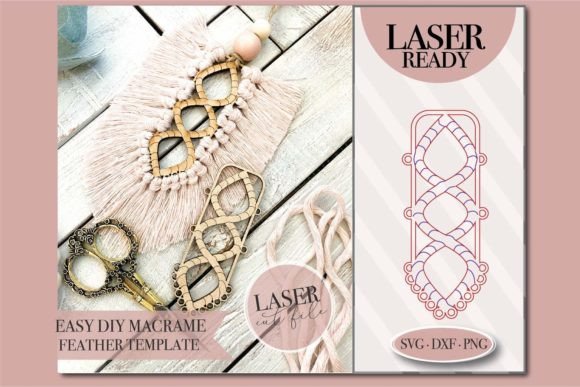
This template showcases the beauty of macramé craftsmanship combined with the symbolic and organic charm of feathers. It can be used as a standalone piece or incorporated into a gallery wall arrangement with other macramé or bohemian-inspired decorations. Its handmade nature and intricate design make it a unique and eye-catching addition to any room or space. However, the transition from a digital file to a physical masterpiece is not always straightforward. Many creators overlook critical details in file compatibility, material selection, and assembly, leading to frustration and wasted resources. By addressing these common pitfalls, you can ensure your project reflects the high quality inherent in the design.
Understanding File Compatibility and Machine Settings
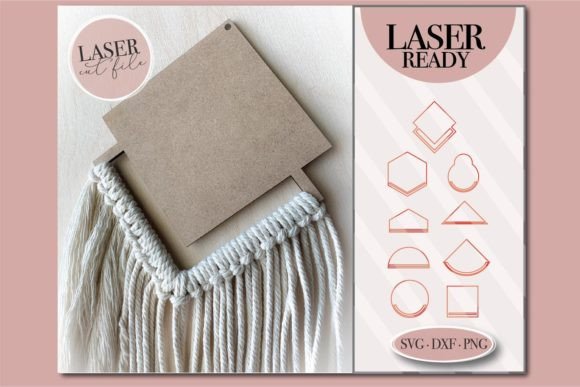
One of the most frequent misunderstandings involves the versatility of the provided formats. This listing includes a ZIP FILE with SVG, DXF, and PNG formats. While this seems comprehensive, users often assume these files are interchangeable without adjustment. The SVG format is ideal for web-based cutting software like Cricut Design Space or Silhouette Studio, offering scalable vector graphics that maintain crisp edges at any size. The DXF format, on the other hand, is typically preferred for industrial laser cutting machines such as Glowforge or Universal Laser systems. Using the wrong format for your specific machine can result in import errors, lost paths, or incorrect scaling.
A common mistake is ignoring the difference between cut lines and engrave lines within the vector file. For laser cutters, failing to assign the correct color codes to different layers can mean the machine attempts to cut through a section meant only for surface etching, ruining the delicate feather structure. Always inspect the file layers before sending the job to your machine. If you are using a Cricut or Silhouette, ensure that the "weld" function is applied where necessary to prevent the machine from treating connected parts as separate pieces, which can lead to misalignment during the cutting process.
Material Selection and Structural Integrity
The Macrame Feather Template SVG File is designed with intricate details that require a material capable of holding fine cuts without fraying or breaking. A significant error many beginners make is choosing materials based solely on aesthetics rather than structural integrity. For laser cutting, plywood thickness matters immensely. If the material is too thick, the intricate inner cuts of the feather may not release properly, leaving burn marks or requiring excessive sanding that damages the design. If it is too thin, the piece may lack the rigidity needed to support the weight of the macramé cords.
For those incorporating this template into a mixed-media piece, consider the tension of the knots. The wooden or acrylic base created from the SVG must have holes or slots that are precisely sized for the cord diameter you intend to use. If the holes are too large, the knots will slip, causing the feather to lose its shape over time. If they are too small, threading becomes a tedious struggle that can fray the cord before you even begin knotting. Test your hole sizes on a scrap piece of the same material before committing to the final cut. This simple step saves hours of rework and ensures a polished finish.
Design Integration and Aesthetic Balance
While the template is beautiful on its own, its true potential is realized when integrated thoughtfully into a larger design scheme. A common oversight is treating the feather as an isolated object rather than part of a cohesive composition. When creating a gallery wall, balance is key. Placing a dense, intricate macramé feather next to another highly detailed piece can create visual clutter. Instead, pair it with simpler, minimalist elements to let the craftsmanship shine. The organic curves of the feather complement straight lines and geometric shapes, creating a dynamic visual rhythm.
Another aspect often overlooked is the color palette of the cords relative to the base material. If you are using a dark walnut wood cut from the DXF file, light beige or white cotton cords provide striking contrast, highlighting the knotting technique. Conversely, using dark cords on a dark base can obscure the detail, making the piece look muddy from a distance. Consider the lighting of the room where the piece will hang. Natural light enhances the texture of the fibers, while artificial light may cast shadows that either accentuate or hide the depth of the macramé work.
Practical Steps for a Successful Project
To avoid these common pitfalls and ensure a satisfying crafting experience, follow these practical guidelines:
- Verify File Integrity: Before purchasing or downloading, ensure the seller provides a preview of the vector paths. Once downloaded, open the SVG in your preferred software to check for closed paths and overlapping lines that could confuse your cutting machine.
- Test Cut First: Always perform a test cut on a small section of your chosen material. This allows you to dial in the power and speed settings for laser cutters or blade depth and pressure for vinyl cutters, ensuring clean edges without charring or tearing.
- Prepare the Base: After cutting, lightly sand the edges of the feather template to remove any laser burn marks or rough spots. This preparation not only improves the aesthetic but also prevents splinters from damaging your macramé cords during assembly.
- Plan Your Knots: Map out your knotting pattern before tying the first cord. Use a pencil to mark starting points on the template if necessary. Consistency in knot tension is vital for a symmetrical and professional-looking feather.
- Secure the Ends: Ensure that the ends of the macramé cords are securely fastened to the back of the template. Use strong adhesive or tie-off knots that are hidden from view to maintain the clean look of the front design.
Remember, no physical item will be delivered with this purchase; it is a digital tool for your creativity. The value lies in your ability to interpret and execute the design. By paying attention to technical details and aesthetic principles, you transform a simple vector file into a tangible work of art. Happy crafting.
Final Thoughts on Quality and Patience
Creating with the Macrame Feather Template SVG File requires patience and attention to detail. It is easy to rush through the cutting or knotting phases, but slowing down ensures higher quality outcomes. Each knot contributes to the overall texture, and each cut defines the silhouette. By avoiding the common mistakes of improper file handling, poor material choice, and hasty assembly, you elevate your craft from a hobbyist project to a professional-grade decoration. Embrace the learning curve, experiment with different materials, and let the organic beauty of the feather guide your creative process.