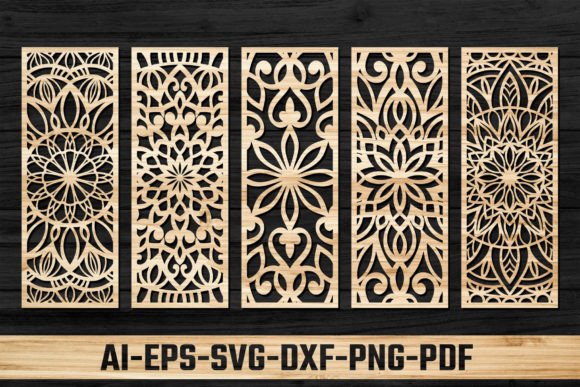
Evaluating Laser Cut Ornamental Panel Template 14 for DIY Decor Projects
For individuals interested in custom home decor, the availability of digital design files has transformed how personalization is approached. Laser Cut Ornamental Panel Template 14 represents one such resource, offering a pre-designed pattern intended for use with computer-controlled cutting machines. This article examines the utility, compatibility, and practical considerations of this specific template to help potential users determine if it aligns with their creative objectives and technical capabilities.
Understanding the Digital Asset
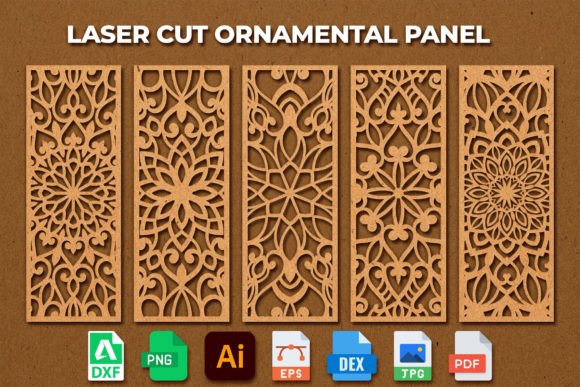
At its core, this product is a digital download rather than a physical item. It consists of vector and raster files that define the geometry of an ornamental panel. The design originates from hand-drawn sketches, which are then digitized to ensure clean lines and scalable proportions. The primary value proposition lies in the versatility of the file formats provided. Users receive a single ZIP archive containing seven distinct file types: DXF, EPS, SVG, PDF, PNG, and JPG. This variety ensures compatibility with a broad spectrum of software and hardware, from professional industrial CNC routers to consumer-grade devices like Cricut or Silhouette machines.
The term "ornamental panel" refers to a decorative screen or insert that can serve multiple functions. Unlike solid walls or plain surfaces, these panels introduce texture, shadow play, and visual interest through negative space. Template 14 specifically offers a pattern that balances aesthetic complexity with structural integrity, ensuring that the cut pieces remain connected and durable after fabrication.
Compatibility and Technical Considerations
One of the most critical factors when selecting a digital cutting file is software compatibility. The inclusion of SVG and DXF files addresses the needs of two major user groups. SVG (Scalable Vector Graphics) is widely supported by browser-based and entry-level cutting software, making it accessible for hobbyists. DXF (Drawing Exchange Format) is the industry standard for CAD (Computer-Aided Design) programs and is essential for users operating plasma cutters, laser engravers, or CNC mills that require precise vector paths.
Additionally, the provision of EPS and AI-compatible vectors allows graphic designers to modify the design further before cutting. For those who do not intend to cut the material but wish to use the design for printing or stenciling, the included PNG and JPG files offer high-resolution raster images. This multi-format approach reduces the friction often associated with converting file types, which can sometimes result in loss of detail or alignment errors.
Material Versatility and Application
The utility of Laser Cut Ornamental Panel Template 14 extends beyond simple wall art. Because the design is vector-based, it can be resized without losing detail, allowing for applications ranging from small-scale crafts to large architectural elements. Common materials suitable for this template include wood, acrylic, MDF (Medium-Density Fiberboard), and even fabric or paper for lighter applications.
- Wall Decor: When cut from wood or metal, the panel can be mounted directly to walls or framed to create a focal point. The interplay of light and shadow through the cutouts adds depth to a room.
- Furniture Accents: The template can be used to create decorative inserts for cabinet doors, table sides, or headboards. This allows for the customization of mass-produced furniture with unique, handcrafted details.
- Event Stationery: By scaling down the design and using thinner materials like cardstock or acetate, the pattern can serve as intricate overlays for wedding invitations or event signage.
- Room Dividers: Larger cuts can function as semi-transparent screens, providing privacy while maintaining an open feel in studio apartments or office spaces.
Benefits of Using Pre-Made Templates
Creating original vector designs from scratch requires significant skill in graphic design software and an understanding of kerf (the width of the cut) and bridge points (connections that keep pieces from falling out). Using a pre-made template like Template 14 eliminates the initial design phase, allowing users to focus on fabrication and finishing. This is particularly beneficial for those who possess cutting equipment but lack advanced design skills.
Furthermore, the "hand-drawn" origin of the design suggests an organic aesthetic that may differ from the rigid geometric patterns often generated algorithmically. This can provide a warmer, more artisanal look to the final product, which is often desirable in residential interior design.
Tradeoffs and Limitations
While convenient, relying on a digital template comes with certain tradeoffs. First, the user is responsible for the entire production process. This includes sourcing materials, setting up the machine, and performing post-processing tasks such as sanding, painting, or sealing. For beginners, the learning curve associated with machine settings—such as laser power, speed, or plasma amperage—can lead to material waste before achieving a clean cut.
Second, the structural integrity of the panel depends heavily on the material chosen. Intricate designs may be fragile if cut from thin or brittle materials. Users must evaluate whether the scale of the cut matches the strength of their chosen substrate. For example, a delicate wooden cutout may break during installation if not handled carefully, whereas the same design in steel would be robust but require different tools.
When to Choose This Template
This template is a strong fit for individuals who already own or have access to cutting machinery and are looking for efficient ways to produce high-quality decor. It is also suitable for small business owners who offer custom fabrication services and need reliable, aesthetically pleasing designs to offer their clients. If the goal is to create a unique piece of wall art or functional decor without investing hours in original design work, Template 14 provides a streamlined solution.
When to Consider Alternatives
If you do not have access to a laser cutter, CNC machine, or plasma cutter, this digital file will not be immediately useful unless you outsource the cutting to a local makerspace or service bureau. In such cases, the cost of outsourcing should be weighed against buying a pre-fabricated panel. Additionally, if you require a highly specific dimension or motif that differs significantly from the provided design, creating a custom vector file or hiring a designer might be more appropriate than modifying an existing template.
Final Decision-Making Insights
Before purchasing, verify that your software can open the provided file formats. While SVG and DXF are universal, checking compatibility with your specific machine’s controller software is prudent. Consider the end-use environment: indoor wall decor allows for a wider range of materials, including wood and paper, while outdoor or high-traffic areas may require weather-resistant metals or plastics. By assessing your technical setup and project goals, you can determine if Laser Cut Ornamental Panel Template 14 is the right foundation for your next creative endeavor.