Integrating the American Eagle 3d Layered Mandala SVG into Professional and Creative Workflows
In the modern landscape of digital fabrication and creative entrepreneurship, the value of a design asset is measured not just by its aesthetic appeal, but by its technical versatility and ease of integration into existing production pipelines. The American Eagle 3d Layered Mandala SVG represents a specific category of digital resources that bridges the gap between intricate artistic expression and practical manufacturing constraints. For professionals ranging from small business owners to hobbyist creators, understanding how to leverage this multi-layered vector file can significantly enhance workflow efficiency and product quality.
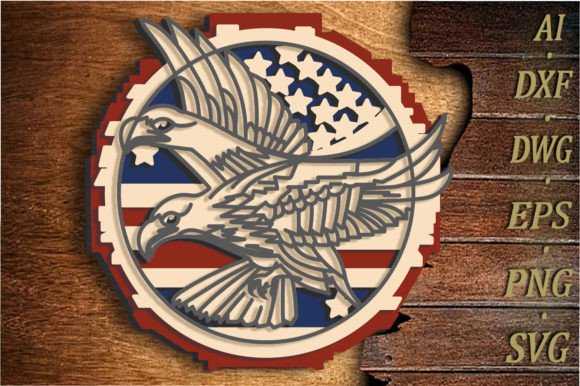
This unique design features four separate layers, a structural choice that transforms a flat image into a tangible, dimensional object. Whether you are preparing for a custom gift project, scaling a home decor line, or experimenting with mixed-media art, this asset serves as a robust foundation. Its compatibility with industry-standard tools such as Cricut, Silhouette, and CNC laser cutters ensures that it fits seamlessly into diverse operational environments.
Understanding the Technical Architecture of Multi-Layer Designs
Before initiating any cutting process, it is essential to understand what makes a 3D layered mandala different from standard single-layer vectors. The American Eagle 3d Layered Mandala SVG is constructed with four distinct strata. In a physical context, these layers stack upon one another to create depth, shadow, and visual complexity. For the creator, this means the workflow shifts from simple contour cutting to precise registration and assembly planning.
The inclusion of multiple file formats—AI, EPS, PNG, SVG, DXF, and DWG—within the downloaded ZIP folder addresses a critical pain point in cross-platform compatibility. A graphic designer working in Adobe Illustrator will rely on the AI or EPS files to maintain editable paths and anchor points. Conversely, a user operating a CNC router may prefer the DXF or DWG formats for their precision in computer-aided manufacturing environments. By providing this comprehensive suite of formats, the asset eliminates the need for time-consuming file conversion, which often introduces errors such as lost nodes or altered dimensions.
The finished product dimensions are standardized at 7.8 inches in height and 8 inches in width. This specific scale is ideal for medium-sized decor items, framed wall art, or detailed apparel appliqués. However, the vector nature of the source files allows for non-destructive scaling. If your project requires a larger statement piece or a smaller jewelry component, the design can be resized without pixelation or loss of detail, provided the material thickness is adjusted proportionally to maintain structural integrity.
Material Selection and Machine Compatibility
The versatility of this design shines when applied across different materials. Each medium interacts with the four-layer structure differently, requiring adjustments in your preparation and execution phases.
- Paper Cutting: For users of Silhouette or Cricut machines, cardstock is the primary medium. The intricate mandala patterns require sharp blades and appropriate pressure settings. Because there are four layers, color coordination becomes a key design decision. Using varying shades of the same hue can accentuate the depth, while contrasting colors can highlight the eagle motif against the geometric background.
- Vinyl for Apparel: When applying this design to clothing, heat-transfer vinyl (HTV) is the standard. The multi-layer aspect allows for complex color blocking on t-shirts or tote bags. However, registration—the precise alignment of each layer—is critical. Misalignment by even a millimeter can disrupt the visual harmony of the mandala. Using weeding tools and careful application techniques ensures a professional finish.
- Wood and Home Decor: For CNC laser cutting, materials like plywood, MDF, or acrylic are ideal. The 3D effect is most pronounced here, as the thickness of the wood creates natural shadows between layers. This application is particularly popular for home decor, where the tactile quality of wood adds warmth to the geometric precision of the mandala.
It is important to note that while the digital file is ready for use, the physical outcome depends heavily on machine calibration. Before committing to final materials, always perform test cuts on scrap pieces. This step verifies that the kerf (the width of the cut) does not interfere with the fit of the layers, especially in tight mandala curves.
Workflow Integration for Entrepreneurs and Creators
For small business owners and freelancers, time management is as crucial as creative skill. Integrating the American Eagle 3d Layered Mandala SVG into your product lineup should be viewed through the lens of operational efficiency. Since this is a digital product, the initial acquisition is instantaneous. Upon downloading the ZIP folder, organize the files into a dedicated project directory. Labeling folders by format (e.g., "SVG_for_Cricut," "DXF_for_Laser") reduces search time during high-volume production periods.
Consider the lifecycle of a product using this design. It begins with customization. While the base design is complete, you may wish to add personalized text or modify elements for specific clients. The availability of AI and EPS formats facilitates this editing process. You can isolate the eagle element or adjust the mandala’s density before sending the file to your cutting software. This flexibility allows you to offer bespoke services without starting from scratch, thereby increasing your profit margins.
Furthermore, this design serves as an excellent template for learning advanced fabrication techniques. Educators and workshop leaders can use it to teach students about layering, material properties, and machine safety. The clear separation of layers makes it easier to troubleshoot issues, as each component can be analyzed independently.
Quality Control and Long-Term Utility
Maintaining consistency across multiple units is a hallmark of professional craftsmanship. When producing batches of the American Eagle 3d Layered Mandala, establish a standard operating procedure for assembly. Create a jig or template that holds the layers in place while adhesive sets. This ensures that every unit meets the same quality standards, reducing waste and customer returns.
The durability of the final product also depends on the adhesive method used. For paper projects, acid-free glue sticks prevent warping. For wood, wood glue or epoxy provides a strong bond that withstands environmental changes. For vinyl, proper heat press temperature and time are non-negotiable for longevity.
If you encounter specific requirements that deviate from the standard 7.8 by 8-inch dimensions, or if you need a format not included in the package, reaching out to the designer for assistance is a viable option. Many creators offer customization services, which can be invaluable for large-scale commercial projects where specific sizing is mandated by packaging or display constraints.
Strategic Gifting and Personal Application
Beyond commercial use, this design holds significant value for personal projects. Creating a unique gift for family and friends involves more than just cutting shapes; it involves thoughtfulness and presentation. The 3D nature of the mandala makes it a standout piece compared to flat prints. Framing the layered paper cutout with a deep-box frame enhances the shadow effects, turning a simple craft into a gallery-worthy item.
For hobbyists, the process of assembling the four layers can be a meditative practice. It encourages focus and patience, offering a break from digital screens. The satisfaction of seeing the flat vectors transform into a textured, tangible object provides a rewarding creative outlet.
In conclusion, the American Eagle 3d Layered Mandala SVG is more than a digital file; it is a versatile tool that supports a wide range of creative and commercial objectives. By understanding its technical specifications, respecting material limitations, and integrating it into a structured workflow, creators can maximize both efficiency and artistic impact. Whether you are laser cutting wood for home decor, pressing vinyl for a clothing line, or crafting paper art for a loved one, this design offers the precision and flexibility needed to achieve professional results.